Why Mold Grows After Water Damage
Mold is one of the most serious consequences of water damage, and it can begin growing in as little as 24 to 48 hours after moisture is introduced. In the warm, humid climate of Greater Atlanta, conditions are especially favorable for rapid mold growth. All mold needs to thrive is moisture, organic material (wood, drywall, carpet), and temperatures between 60-80°F — conditions found in virtually every Georgia home.
At Jar2 Restoration in Douglasville, GA, we see the consequences of delayed water damage response every week. The good news is that with prompt action and the right equipment, you can prevent mold from ever taking hold — or remove it yourself if it has already started.
The 48-Hour Window: Preventing Mold Before It Starts
The single most important factor in preventing mold after water damage is speed. If you can get affected areas dried within 48 hours, the chances of significant mold growth drop dramatically.
Here is what to do immediately after water damage occurs:
Within the first 2 hours:
- Remove standing water using a wet/dry vacuum or submersible pump
- Move wet furniture and belongings out of the affected area
- Remove saturated carpet padding (it almost never dries properly)
- Open cabinet doors and closets in affected areas to allow airflow
Within the first 24 hours:
- Set up professional air movers and dehumidifiers
- Remove wet drywall at least 12 inches above the visible water line
- Pull back carpet from tack strips to allow airflow underneath
- Begin monitoring moisture levels with a moisture meter
Within 48 hours:
- Verify that humidity levels are dropping consistently
- Check behind walls and under flooring for hidden moisture pockets
- Apply antimicrobial treatment to all affected surfaces
- Continue running drying equipment 24/7
How to Spot Mold Growth Early
Even with prompt action, some mold growth may occur in hidden areas. Watch for these warning signs:
- Musty, earthy odor — often the first sign, even before visible mold appears
- Discoloration on walls or ceilings — look for black, green, gray, or white patches
- Peeling or bubbling paint — indicates moisture trapped behind the wall surface
- Warped or soft drywall — press gently on walls near the water damage area
- Allergy symptoms — increased sneezing, coughing, or eye irritation indoors
DIY Mold Removal: Step by Step
For mold covering less than 10 square feet (roughly a 3x3 area), the EPA says homeowners can handle removal themselves. Here is how:
What You Need
- N95 respirator mask (minimum)
- Rubber gloves extending to mid-forearm
- Safety goggles without ventilation holes
- Plastic sheeting and painter's tape for containment
- HEPA vacuum
- Antimicrobial cleaning solution
- Heavy-duty garbage bags
Step 1: Contain the Area
Seal off the affected room from the rest of your home using plastic sheeting over doorways and HVAC vents. This prevents mold spores from spreading to unaffected areas during removal.
Step 2: Remove Contaminated Materials
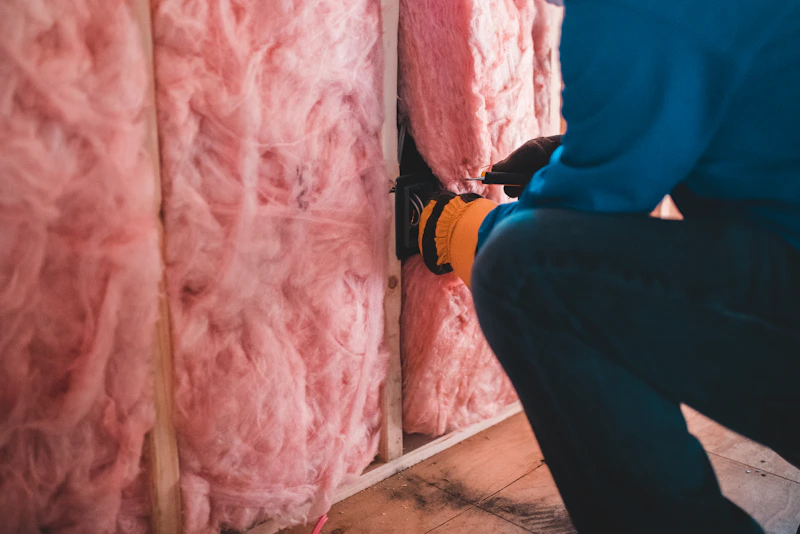
Porous materials with mold growth — drywall, insulation, carpet, and ceiling tiles — cannot be effectively cleaned and must be removed. Cut drywall at least 2 feet beyond the visible mold line, as mold roots (hyphae) extend beyond what you can see.
Step 3: Clean Hard Surfaces
Non-porous surfaces like concrete, metal, and hard plastic can be cleaned:
- Scrub with a stiff brush and antimicrobial solution
- Allow to dry completely
- Apply a mold-resistant coating or primer
Step 4: HEPA Vacuum Everything
After removal and cleaning, HEPA vacuum all surfaces in the contained area — walls, floors, ceilings, and any remaining contents. This captures microscopic spores that are invisible to the naked eye.
Step 5: Dry Thoroughly
This is the most critical step. Use professional dehumidifiers and air movers to bring the area to safe moisture levels. Verify with a moisture meter that all materials read below safe thresholds before rebuilding.
The Role of Professional Drying Equipment
Consumer-grade fans and dehumidifiers simply cannot match the performance of professional equipment:
| Equipment | Consumer Grade | Professional Grade |
|---|---|---|
| Dehumidifier | 30-50 pints/day | 100-150 pints/day |
| Air mover | 200-400 CFM | 2,500-3,000 CFM |
| Coverage | 1 room | Multiple rooms |
| Drying time | 7-14 days | 3-5 days |
Faster drying means less opportunity for mold to establish itself. Jar2 Restoration's equipment packages include professional-grade LGR dehumidifiers and high-velocity air movers that dry your home in days, not weeks.
When to Call a Professional
While many mold situations can be handled DIY, some require professional intervention:
- Mold covering more than 10 square feet
- Mold inside HVAC systems or ductwork
- Mold caused by sewage or contaminated water
- Mold affecting structural elements (joists, studs, subfloor)
- Occupants with compromised immune systems or severe mold allergies
- Mold behind walls that you cannot safely access
Preventing Future Mold Growth
After remediation, take these steps to prevent mold from returning:
- Control indoor humidity — keep it below 60%, ideally between 30-50%
- Fix leaks immediately — even small drips create mold-friendly conditions
- Improve ventilation — especially in bathrooms, kitchens, and laundry rooms
- Use mold-resistant materials when rebuilding — mold-resistant drywall, paint, and insulation
- Clean gutters regularly — clogged gutters cause water to pool against your foundation
Get the Right Equipment
Jar2 Restoration provides professional-grade drying equipment that helps you prevent and address mold after water damage. Our packages include everything you need — air movers, LGR dehumidifiers, moisture meters, and expert guidance.
Call (770) 765-6036 for same-day delivery throughout the Greater Atlanta area. Every rental includes free technical support to help you through the process.
Need Water Damage Restoration Equipment?
Jar2 Restoration delivers professional-grade equipment anywhere in Greater Atlanta. Flat-fee pricing, free delivery, and expert support.